 Your Black Bloggers The official gathering spot for black bloggers
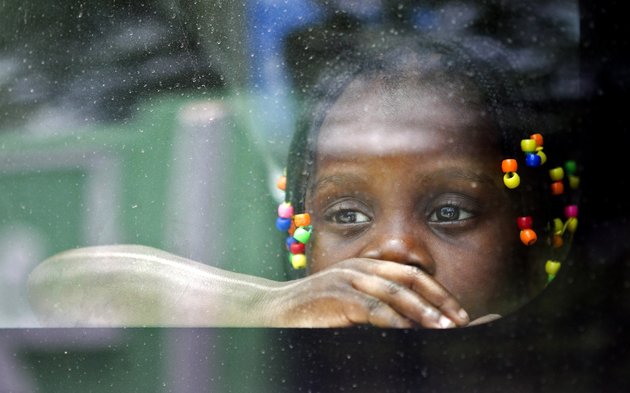

Today, the economic, educational, political and proximity gaps between the haves and have nots is widening. Far too many low-income people, who are often people of color, are isolated and disconnected from opportunities for upward mobility. Who is accountable for improving the lives of low-income people of color for whom the American dream has been denied?
Of course each individual is responsible for his or her own success, but we cannot do it alone. We need each other more than ever now.
In 1994, after finishing my Peace Corps service in Botswana, Africa, I came home and joined the first class of AmeriCorps. It was an exciting time. AmeriCorps was a new movement with enormous potential to bring about real change, and finally, I was bringing my passion for justice home. While overseas, I committed to serving my own country by focusing on one neighborhood for one year. That neighborhood was Norris Square located on N. Howard Street in Philly.
A largely Latino neighborhood, Norris Square was ground zero for our work. It had a long history of violence, crime, drugs, gang warfare, failing schools and poverty. Though many of the activist neighbors I worked with had no shortage of hope, sometimes the situation seemed hopeless — like in so many inner-city communities.
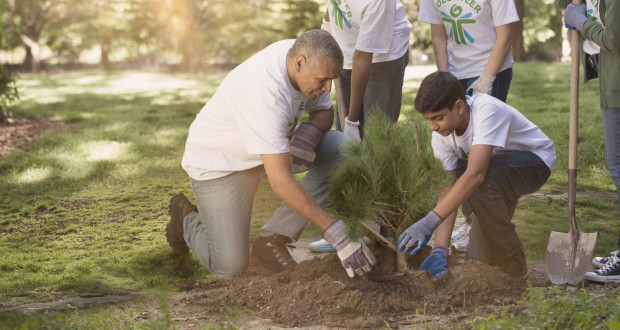
I served as an AmeriCorps leader in the neighborhood’s Weed-n-Seed initiative. Our mission was to weed out crime and violence while planting seeds of hope.
