 Your Black Bloggers The official gathering spot for black bloggers
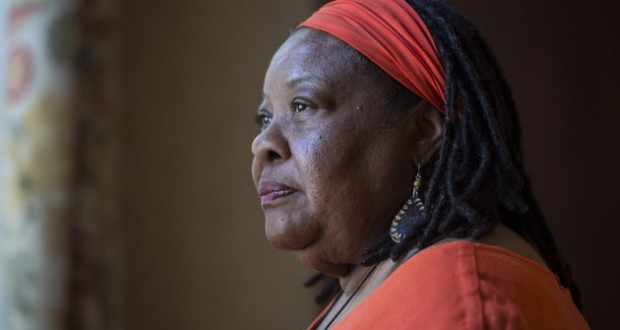
In 1965, Ruby Sales was just 17 years old when Jonathan Daniels, a 26-year-old Episcopal seminary student, stepped in front of the bullet that would have likely killed her. Both of them — Sales, a young black activist from Alabama, and Daniels, a white man from New Hampshire — were devoted Civil Rights activists fighting against segregation in Alabama, but only one of them would live to see the end of that year.
Fifty years after that act of selflessness, Sales will speak about Daniels’ legacy on on Sunday, October 11 at the Washington National Cathedral, which just completed alimestone bust of Daniels in August.
“You have to understand the significance of Jonathan’s witness,” Sales told The Washington Post in July. “He walked away from the king’s table. He could have had any benefit he wanted, because he was young, white, brilliant and male. ”
Born in New Hampshire in 1939, Daniels was a student at the Episcopal Theological School, now Episcopal Divinity School, in Cambridge, Massachusetts when he became involved in the Civil Rights movement. In March 1965, he and several other seminarians traveled to Alabama in response to Rev. Martin Luther King Jr.’s call for Northern clergy to join the march from Selma to Montgomery.
Daniels returned to Alabama in August of that year to join a group of activists, including Sales, who were protesting “white-only” businesses in Lowndes County.
