 Your Black Bloggers The official gathering spot for black bloggers


By: Karen Cecile Wallace, J.D.
In conjunction with the massive protests surrounding the shooting death of unarmed African American Florida teen, Trayvon Martin, at the hand of a gun-toting, self-appointed, white Hispanic, neighborhood watchman named George Zimmerman, a troubling and false narrative has emerged. The falsehood that has been largely advanced by conservative pundits, is that African Americans are apathetic towards and do not speak out against the “black on black” violence that is on the rise in our nation’s urban communities. This criticism is patently misleading and seeks to diminish the enormity of the situation involving Trayvon and so many others like him, who are historically profiled and targeted, because their very existence creates suspicion and discomfort among law enforcement agents who are actually duty bound to protect them, along with all of our nation’s citizens. (In the case of Trayvon, although Zimmerman was not a law enforcement official, he was cozy with Sanford, Florida police, who generally condoned his over-the-top watch duty activities and who protected and released him after he shot and killed the unarmed teen.) Moreover, this rhetoric is another means of denigrating, dismissing and dehumanizing an entire race of people.
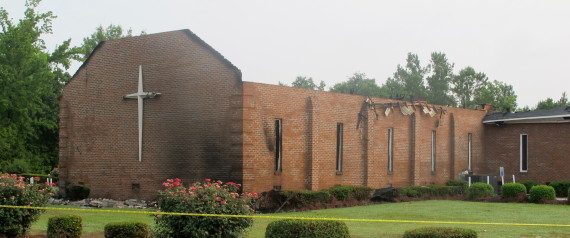
In a recent article called “Why Don’t Black People Protest ‘Black-on-Black Violence’,” senior editor for The Atlantic, Ta-Nehisi Coates addressed and outlined example after example of documented community efforts, as well as those by political leaders, throughout the nation, of addressing gun and gang violence in our urban areas. In my city of Chicago, Illinois, as is the case throughout the country, the vast majority of black-on-black violence is a direct result of gangs and drugs. Time and time again, concerned and effected citizens gather and protest these senseless shootings and murders and request specific relief. In Chicago, the charge is often led by Father Michael Pfleger, whose church’s community center was recently subjected to the wrath of arsonists who attempted to burn it down in retaliation for the church’s strong community stance against gangs, drugs and violence in the urban streets of Chicago. The national media is rarely present to cover these calls for action, so if one makes no effort to determine otherwise, it is very easy to assume or assert that affected communities are silent on these issues.
The fact of the matter is that the impetus behind this gun violence is the drug trade and that a relatively small group is involved in perpetuating activity that terrorizes entire communities. Chicago’s police superintendant, Garry McCarthy, recently confirmed these facts in discussing Chicago’s strategic plan for addressing escalating violence and murders in the city. Pundits aside, there are many sociological reasons why young people are attracted to gangs and their drug economy. For instance, urban communities have longstanding social inequalities such as long term poverty, poor quality education, high rates of unemployment (that preceded the recession), the breakdown of the family structure as a result of the prison industrial complex, etc. These are not only issues for communities to address, but they are structural issues that must at least be equally addressed by all levels of government, because they have played a key role in creating the current environment. Average citizens acting in isolation cannot eliminate these structural defects and the total blame should not be cast upon them. A joint venture between the government and community is essential.
Violence in urban communities needs to be addressed by government and citizens alike, far more strategically and effectively then is currently the case, but to marginalize the pursuit of justice for the senseless killing of Trayvon Martin by denigrating the victims of both racial profiling and urban violence is morally indefensible.
©2012 Karen C. Wallace
Karen C. Wallace is a Chicago attorney, legal consultant, adjunct professor and youth mentor.
